Finding Water in the Desert

22 01 2010

There have been a few articles lately about the new Underwood Family Sonoran Landscape Laboratory which is a part of the School of Landscape Architecture at University of Arizona. Arizona is known for its arid climate, but this project uses an innovative take on irrigation to provide a lush landscape for this jewel of a space.

Photo Courtesy of Ten Eyck Landscape Architects Inc
Photo by: Bill Timmerman

In addition to creating a wetlands biome, complete with an 18,000 gallon pond, the project provides an 11,600 gallon cistern for water harvesting. The water harvesting is provided from four sources – and rainwater is not the largest source of water. Of the approximately 250,000 gallons of water harvested each year about 40% comes from condensate from the air conditioning units, 33% comes from rainwater runoff from the roof, 18% from well water blow off and 9% from greywater collection (from sinks and drinking fountains. This water harvesting accounts for 83% of the water required for the landscape on an annual basis.

Photo Courtesy of Ten Eyck Landscape Architects Inc
Photo by: Bill Timmerman

In addition to the water harvesting, the garden includes a significant green wall with planted vines adding to the shading from the hot desert sun on the southern façade of the building.

Next up, they are looking at creating a desert green roof which can be monitored for research data.

If this is available in a desert environment, think of the potentials for harvested water elsewhere.

University of Arizona News had an article about the facility that provides more information on the project. Check out their photo of the large water collection system in action. Ten Eyck Landscape Architects were the landscape architects for the project.
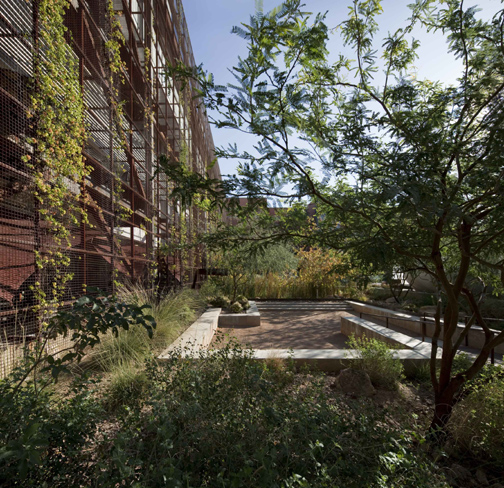
Photo Courtesy of Ten Eyck Landscape Architects Inc
Photo by: Bill Timmerman

Photo Courtesy of Ten Eyck Landscape Architects Inc
Photo by: Bill Timmerman

-Kim Hawkin


A Vision: Green Roofs in Birmingham

20 01 2010

Downtown Birmingham, AL with Green Roofs
Rendering by: Hawkins Partners, Aerial from Live Local Maps (Now Bing)

A few years ago, I put this illustration together for a green roof presentation to the Birmingham branch of the Alabama Chapter of the USGBC. Images like this provide a compelling illustration of what the city could look like if every building added a green roof.

-Brian Phelps


Updated Tree Carbon Calculator

18 01 2010

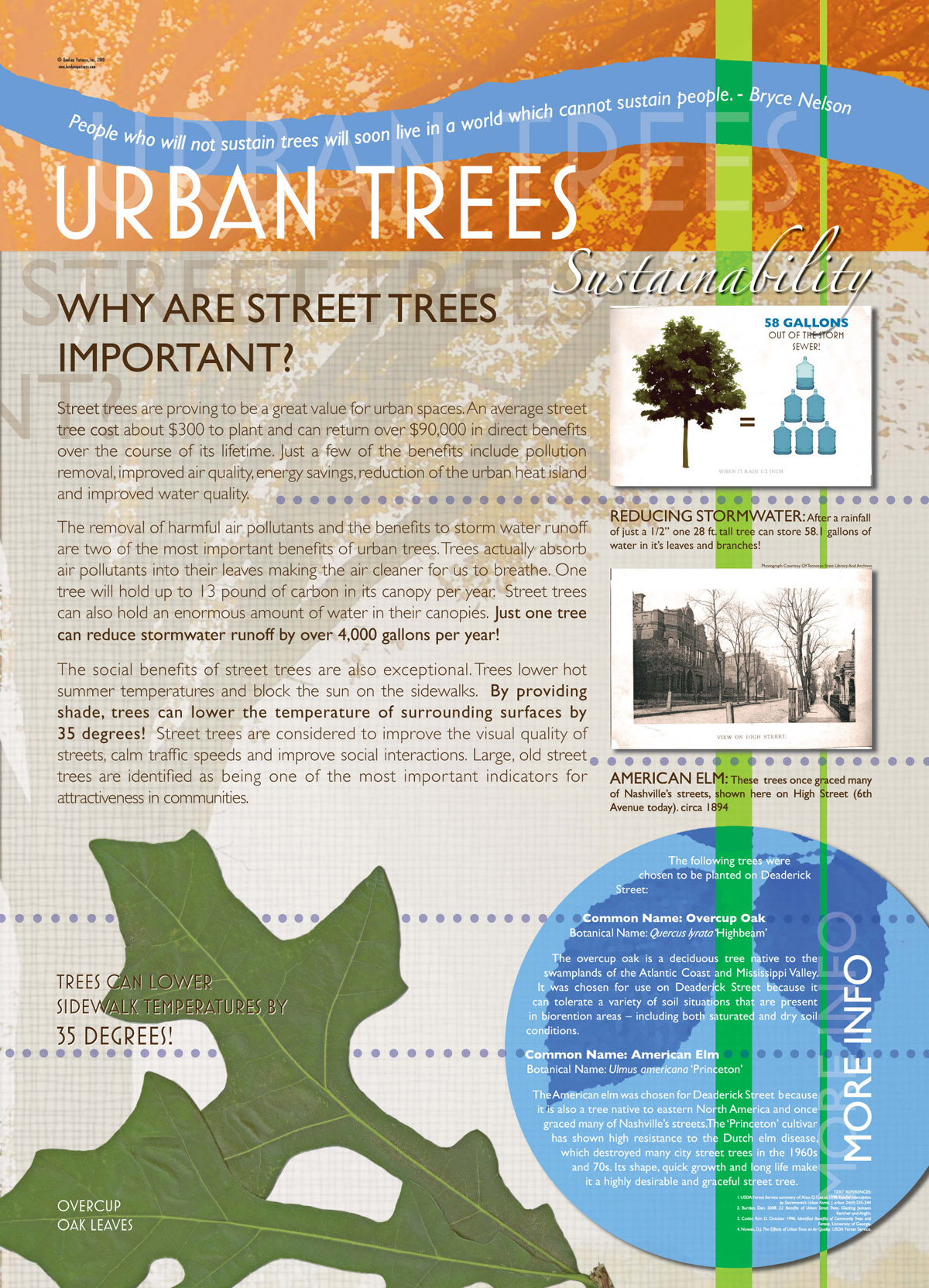
I know as landscape architects it seems like we are always talking about trees, but there are just too many good reasons not to, especially in urban scenarios. On our Deaderick “green street” project we made the focus of one of our environmental education signs on the importance of urban trees. The Center for Urban Forest Research, run by the US Forest Service provided a wealth of facts and resources for us to include on the Deaderick Street sign.

One of the Signs from Deaderick Street

Recently, the Forest Service has updated their Tree Carbon Calculator so that it works nationally instead of just for California. You can find the updated version in their Climate Change Resource Center. The calculator runs off an excel platform and allows you to input data for a single tree. Based on your region, tree species, distance for the building, and a number of other factors it will give a basic idea of how much annual energy, emissions and stored carbon you can expect. I used it to see the effects for a couple of trees I have outside my house. Even a small 6” tree has the potential to sequester over 65lbs of carbon dioxide from the atmosphere per year and that big 30” oak tree in my back yard, over 1000lbs per year, not to mention all the energy reductions too.

This is another useful tool to help prove the value trees. It is projected that over the next 50 years climate change will actually cause the southeast region to become warmer and drier, which would reduce the amount of forest growth. While the best option for managing this in the future is to keep forest as forest (per a publication from the US Forest Service titled ‘Forest and Carbon Storage‘), it can’t hurt by incorporating as much urban tree growth into new developments as possible, every little bit makes a difference.

-Sara Putney


Invasive Species in the News

15 01 2010

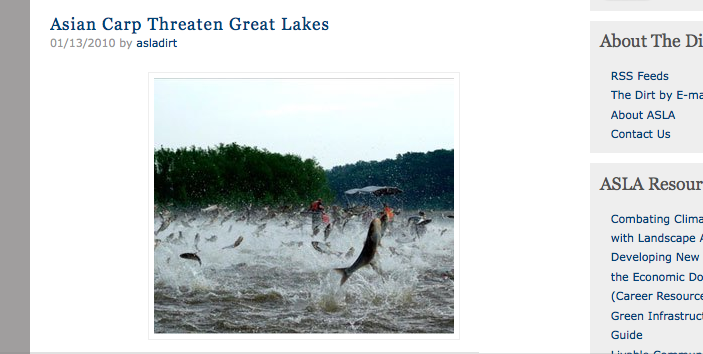
When we plan and design for projects, within our trade, we try to use native species whenever possible. This is especially important when designing green infrastructure projects that tie so closely to our natural resources, in particular our waterways. Oftentimes people wonder why this is so important and how can it really affect them anyway? Whether it’s plant materials or animals, all invasive species are eventually extremely damaging to our native ecosystems. And also extremely costly; “The UN Convention on Biological Diversity says the spread of invasives costs 1.4 trillion dollars a year globally in damages and control measures. The U.S. alone loses 138 billion dollars a year in the fight.”

Image from ‘The Dirt’ website.

In ASLA’s blog ‘The Dirt’, a recent posts highlights the efforts for the State of Michigan to protect Lake Michigan and the entire Great Lakes Region from the Asian Carp. Like all invasive species these fish take over an ecosystem by consuming resources that would otherwise be used by the native species. Michigan is suing the State of Illinois in order that they shut down the waterways leading into Lake Michigan. According to the New York Times article Minnesota, Ohio, Wisconsin, and Indiana are all in support. This came to light due to recent evidence of the carp within 6 miles of Lake Michigan in the Chicago area waterway system that links the Mississippi River to the Great Lakes. And while the City of Chicago realizes that the carp overtaking Lake Michigan would be devastating they are wrestling with their own economic concerns over what closing the waterways would really mean. There is more detailed information in ‘The Dirt’ post and the New York Times Article.

Another item in the light recently is the efforts of the Chicago Botanic Garden and the Morton Arboretum to gather native seeds from around the Midwest. “Scientists from the botanic garden are sending teams out across the Midwest and West to the Rocky Mountains and Great Basin to collect seeds from different populations of 1,500 prairie species by 2010, and from 3,000 species by 2020. The goal is to preserve the species and, depending on changes in climate, perhaps even help species that generally grow near one another to migrate to a new range.” The idea is to catalogue, store and preserve native plants in the event that climate change or invasive species may require the migration of native plant materials to other areas. There is still much debate about the project and more detailed information can be found in the New York Times article.

These are just two examples in a long list of invasive species problems that continue to threaten the ecosystems of the US. Not only do invasives disrupt plants, animals and other natural resources, but as noted above they also can have huge negative economic impacts. This coming on the tails of National Invasive Species Awareness Week, (January 10-14th), to learn more visit the National Invasive Species Information Center’s website.

– Sara Putney


Getting More: Multi-Functioning Facilities

13 01 2010

When it comes to adding more park space, communities are increasingly looking at getting more bang for their buck. Budgets are tight and cities are having to pool their resources from a variety of sources to get projects built. Two recent projects, one that is under construction in Los Angeles and another just announced in New York City, seek to create a park and nature area for their citizens while also constructing wetlands to address stormwater management issues within the immediate neighborhood and the community at-large.

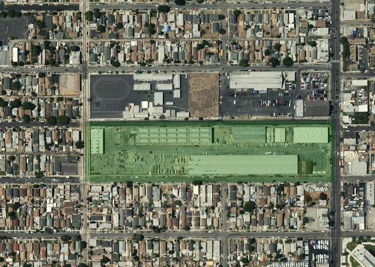
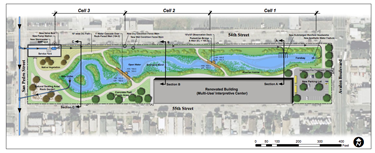
The first is the South Los Angeles Wetland Park. The 9-acre park under construction five miles south of downtown Los Angeles on a former transit maintenance facility that is nearly 100% paved. The City recognized that more recreational open space was needed in the area while also needing to improve the quality of the stormwater runoff that ultimately was polluting the city’s beaches. The park transforms the site into a extensive wetland that comprises most of the park. It includes a series of trails, an observation area, and public gathering areas.

The park is estimated to cost $24 million. The funding was cobbled together from a variety of sources, including money generated from Proposition O. Proposition O passes in 2004, authorized the city to issue up to $500 million in bonds for cleaning up polluted storm water and bacteria in the City’s rivers, lakes, beaches and ocean. Stormwater Magazine has a thorough article about the genesis of the park and its design. Also, more detailed information can be found on Proposition O’s website.

South Los Angeles Wetland Park Site Prior to Construction
Source: Google Map

South Los Angeles Wetland Park Site Plan
Source: Proposition O Website

The second improvement is the Paerdegat Basin Restoration Project in New York City. The Department of Environmental Protection recently announced the $15 million project. It is anticipated to be completed by 2012. The park will restore 38 acres of wetlands and natural grassland areas adjacent to the $357 million Paerdegat Basin Combined Sewer Overflow (CSO) abatement project. Five acres will be dedicated as a Ecology Park that will be accessible by the public and offer educational opportunities. Funding for the project is provided by Clean Water State Revolving Funds. The combined projects are designed to store 50 million gallons of CSO during a storm event. (Press Release fro DEP)

Both of these projects serve as examples of how various communities’ goals can be combined and met by a single green infrastructure investment. As cities approach future planning and implementation efforts, they should look beyond the immediate objectives of the project and assess how the project might serve to address other needs that have been identified in the community.

-Brian Phelps


The Green Vs. Standard Showdown

11 01 2010

We do a lot of talking about green and trying to convince clients to do it. And then we wait for the question that will eventually come…….. so what’s the premium that I have to pay for that?

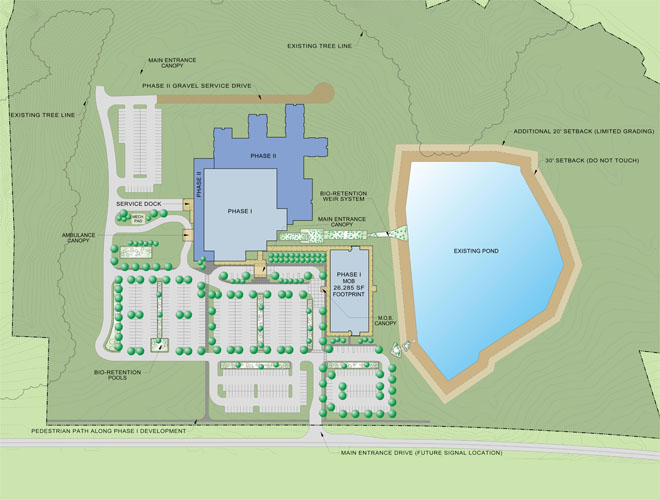
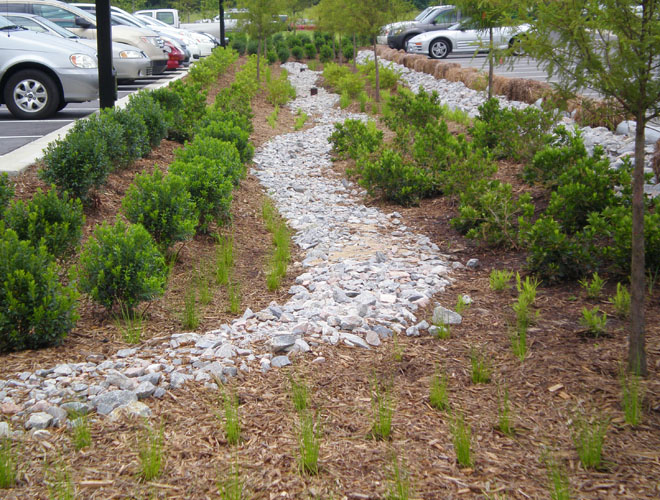
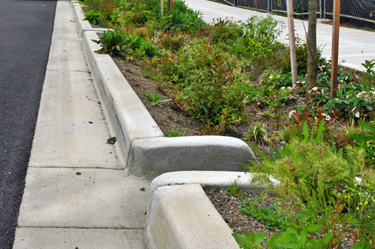
Not too long ago we had a client that took a big step. They commissioned us to have full schematic plans developed for their hospital site in North Carolina with both alternatives: green and conventional. The parameters, such as site area and number of parking spaces required, were the same. The conventional design used curb and gutter, catch basins, and underground piping to carry the water to detention ponds and/or the storm sewer system. The “green” alternative used planted bioswales throughout the parking lot, curb stops at some parking spaces to allow for surface drainage into bioswales and a water collection system to divert the roof water into a channeled weir as an amenity which leads to the on-site pond. The general contractor priced both alternatives while we held our breath………… the green alternative checked in right at 3% less than the conventional plan for the overall site improvements.

Johnston Memorial "green" site plan

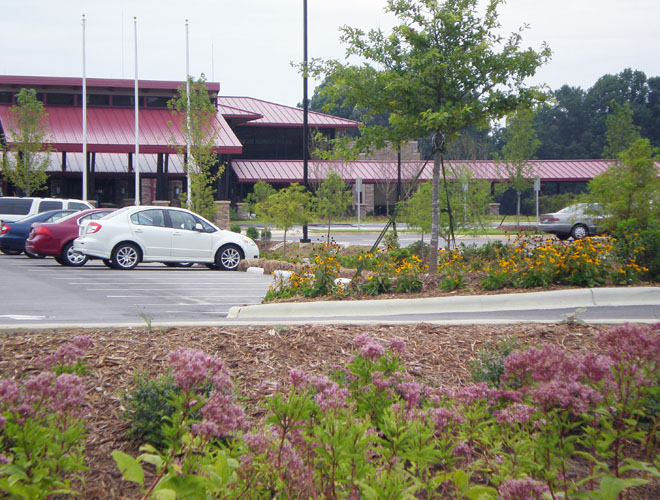
You might say that a 3% cost savings is not significant, but the green plan has the added advantage of making the site more aesthetically beautiful while meeting the stormwater needs. The conventional plan priced ordinance-required landscape only while the “green” plan provided considerably more landscaping (5x the ordinance plan) to densely plant the bioswales for water quality purposes while reducing sod and irrigation. The additional benefits of this solution, beyond water quality and allowing for infiltration and recharge of the insitu soils, were providing wildlife habitat, reduction of life cycle costs through reduced maintenance and water cost for irrigation and a “free” water feature through the roof collection system diverted through a structured weir. Studies done by Texas A&M also show that views of landscape and natural systems also benefit the healing process, not to mention the mental health of the staff and visitors to the facility. An intangible that was also a factor was the speed with which the green alternative made it through the planning process and permitting.

At Johnston Memorial Hospital in Clayton, NC, the total site area was approximately 75 acres. For the” green” plan, over 39,100 sf of the parking lot was designed as bioswales giving an impervious to pervious ratio of 4.5:1 (176,000 sf: 39,100 sf). The bioswales were planted with almost entirely native plant material, which are well adapted for this situation. Plants like clethra, wax myrtle and itea formed a basis for the woody shrubs and native grasses and reeds like panicum, river oats and juncus added to the mix. Native perennials like aster, black-eyed susan and joe-pye weed add seasonal color without the replanting and maintenance cost of annuals.

We appreciated having a client go through this exercise of comparison, and we love being able to provide a client with a solution that saves them money and is more sustainable for the environment at the same time.

-Kim Hawkins


Getting the Facts: Monitoring Green Infrastructure

8 01 2010

In Wednesday’s post, I mentioned the benefits of monitoring to help explain the reasons why green infrastructure facilities are being employed in their neighborhoods and specifically their effectiveness in improving water quality in our rivers and stream for which we all depend.

The City of Portland has done a great job at monitoring their green streets and other green infrastructure facilities. They provide this information on the Bureau of Environmental Services’ (BES) website. Their 2008 evaluation of their green street facilities have shown that for a 25-year storm event ( 25-yr, 6-hr) that peak flows were reduced by 80% or more. For CSO compliance events, their studies were shown to capture 60% or more of the storm volume.

It appears less has been published by the City on the pollutant removal capabilities for green streets. However, as mentioned in the article, studies conducted across the country have shown bioretention areas, the main stormwater management component of a green street, have been shown to be very effective. EPA’s fact sheet on bioretention shows the following removal rates:

  • Total Phosphorous: 70%-83%
  • Metals (Copper, Zinc, Lead): 93%-98%
  • Total Kjehldahl Nitrogen (TKN): 68%-80%
  • Total Suspended Solids: 90%
  • Organics: 90%
  • Bacteria: 90%

These number continue to be supported through researched conducted over the last decade. The concern that the accumulation of these pollutants, particularly metals will pose health risk have been unsubstantiated. A four-year study by Philip Jones (student) and Dr. Allan Davis (advisor) at the University of Maryland, showed the level of pollutants that accumulated within a bioretention cell on campus to exceed soil background levels but were far below EPA cleanup standards.

It is important to remember that currently, most conventional stormwater devices have no capacity to address pollutant removal. Portland is at the forefront in implementing green infrastructure practices and will be well positioned as Federal standards continue to be strengthened over the coming decade. More importantly, they are improving the water quality of their rivers for future citizens.

If fact, the EPA recently announced they are conducting stakeholder input in an effort to initiate a national rulemaking that would establish a comprehensive program to reduce stormwater discharges from new development and redevelopment and make other regulatory improvements to strengthen its stormwater program. At a minimum the EPA intends to propose a rule to control stormwater from newly developed and redeveloped sites, and to take final action no later than November 2012.

-Brian Phelps


NIMFY: Not In My Front Yard

6 01 2010

I recently came across an article in the Portland Tribune titled “Neighbors Fear Swales Plan” and was surprised to learn that there was a group of neighbors on 44th Avenue and Seymour Street in Portland, Oregon opposed to a proposed green street near their homes. With so many great examples throughout the City, I erroneously thought all citizens welcomed the enhanced environmentally friendly streetscapes. Well as I continued to read, not everyone is pleased with them. Their concerns ranged from feeling it was not cost effective, to increasing congestion, to creating hazardous waste sites in their front yards. Based on the article, the real crux of the issue seemed to be a lack of communication. I am sure there is more to the story and I hope to interview someone from Portland’s Bureau of Environmental Services (BES) in the near future to learn more about their green street initiative. The situation as characterized by the article underscores how important it is to include public involvement in any project. Despite its many benefits, green infrastructure is no exception.

Continued monitoring and research is critical to the adoption and improvement of new technologies. As new stormwater techniques like green streets are employed, dispelling citizen’s fear with facts about their effectiveness and making the case they are a cost-effective techniques as compared to more conventional approaches, goes a long way for wider acceptance.

-Brian Phelps


Video Tour of ASLA’s Green Roof

4 01 2010

Back in October 2009 in our post “Green Roofs Address D.C.’s Environmental Problems”, we covered the research the American Society of Landscape Architects was doing with the green roof on its National headquarters and the many benefits it provides. I recently came across this well produced video tour of ASLA’s green roof (see below). It does a wonderful job of showing off the space and the diverse habitat that has been created. I particularly love the areas that use the steel grating to span some of the green roof areas. Enjoy.


Looking Back and Welcoming the New Year

30 12 2009

Image Credit: http://www.istockphoto.com/AndreasReh

Green Infrastructure Digest began this past October. During this time, we have enjoyed bringing you information and news on green infrastructure and look forward to more in the New Year. The pace of posting has exceeded our expectations. We plan on keeping it up and bringing you helpful and interesting information each week. We appreciate you for taking the time to explore green infrastructure with us. We hope you will continue to read along and spread the word.

The following is a list of some of our most popular posts this year:

If there are any specific topics or questions related to green infrastructure that you would like to see us address, please send us a comment or email.